
Protecting Your Business: Common Bussiness Scams in Australia and How to Avoid Them
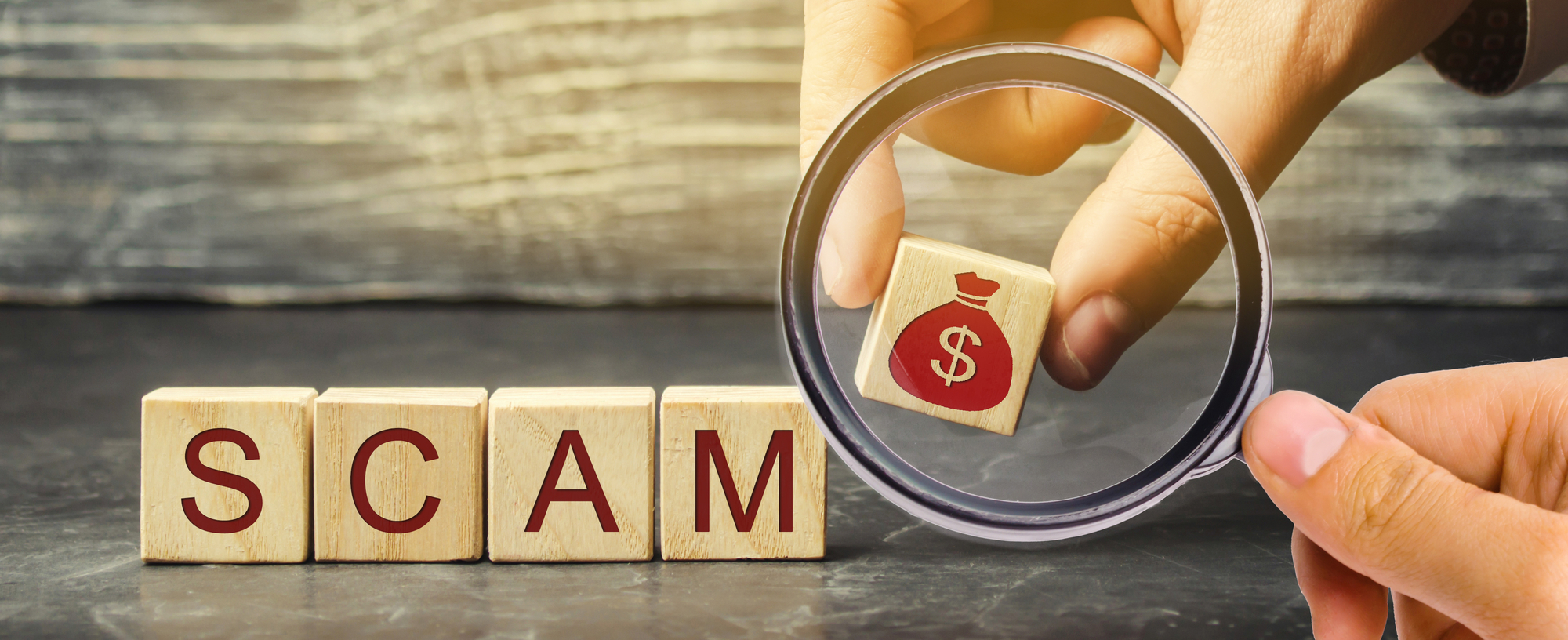
Australia provides a stable, profitable environment for businesses, but it's not immune to scams. Fraudsters continue to target businesses of all sizes using increasingly sophisticated methods. Understanding the types of scams and how to defend against them is critical to protecting your bottom line.
Common Types of Business Scams
False Invoicing
Scammers send fake invoices, often using names similar to real suppliers, hoping the accounts team will pay without verification.
CEO Fraud
Also known as business email compromise (BEC), this involves criminals impersonating a company executive to authorise fake payments.
Phishing Attacks
These scams use deceptive emails or texts to trick businesses into handing over sensitive information, such as passwords or banking credentials.
Business Email Compromise (BEC)
Scammers hack or mimic a legitimate business email to request payments or sensitive data. These emails often create urgency to avoid scrutiny.
Investment Scams
Fraudsters promote "low-risk, high-return" investments, preying on businesses looking to grow. These scams usually collapse quickly, with your money.
Directory Listing Scams
Your business may be contacted about updating or renewing a directory listing — one you never signed up for, and pressured to pay a fee.
Fake Government Grants
Scammers promise access to government grants in exchange for an upfront fee or sensitive details, exploiting financially vulnerable businesses.
Charity Scams
Impostors pose as charitable organisations and request donations. They rely on goodwill but deliver nothing but financial loss.
How to Avoid Business Scams
1. Verify All Communications
Always confirm the identity of anyone requesting payments or sensitive information, especially if contact was unsolicited.
2. Do Your Homework
Before working with new vendors or partners, research them. Use ASIC to verify company registration and check for complaints or legal issues.
3. Be Sceptical of Unrealistic Offers
If a deal sounds too good to be true, it probably is. Promises of guaranteed returns or urgent investment opportunities should raise red flags.
4. Secure Sensitive Information
Limit access to financial data, use strong passwords, and enable multi-factor authentication. Avoid sharing sensitive information via unsecured channels.
5. Stay Informed
Scam tactics evolve constantly. Subscribe to scam alerts from ASIC, ACCC (via Scamwatch), and industry newsletters to stay ahead of new threats.
6. Develop a Scam Response Plan
Train your staff. Have internal protocols for verifying transactions, escalating suspicious activity, and reporting scams. Prevention starts with awareness.
Get Expert Advice
At Dolman Bateman, we help businesses like yours secure their financial operations. From internal controls to scam-proof payment systems, we provide the expert guidance you need to protect your business from fraud.
Let’s keep your hard-earned profits safe, talk to us today.
Disclaimer: The information provided in this article is general in nature and does not constitute personal financial, legal or tax advice. All content relates to the current financial year only. Future changes to tax laws, thresholds or administrative requirements may affect the accuracy or relevance of this information, so you should always confirm that the guidance remains current. While every effort has been made to ensure accuracy at the time of publication, Dolman Bateman accepts no responsibility or liability for any loss or damage arising from reliance on this information. You should seek professional advice tailored to your circumstances before making any financial or tax decision.


